From Our Data Team: Maternal Fever During Labor and Delivery
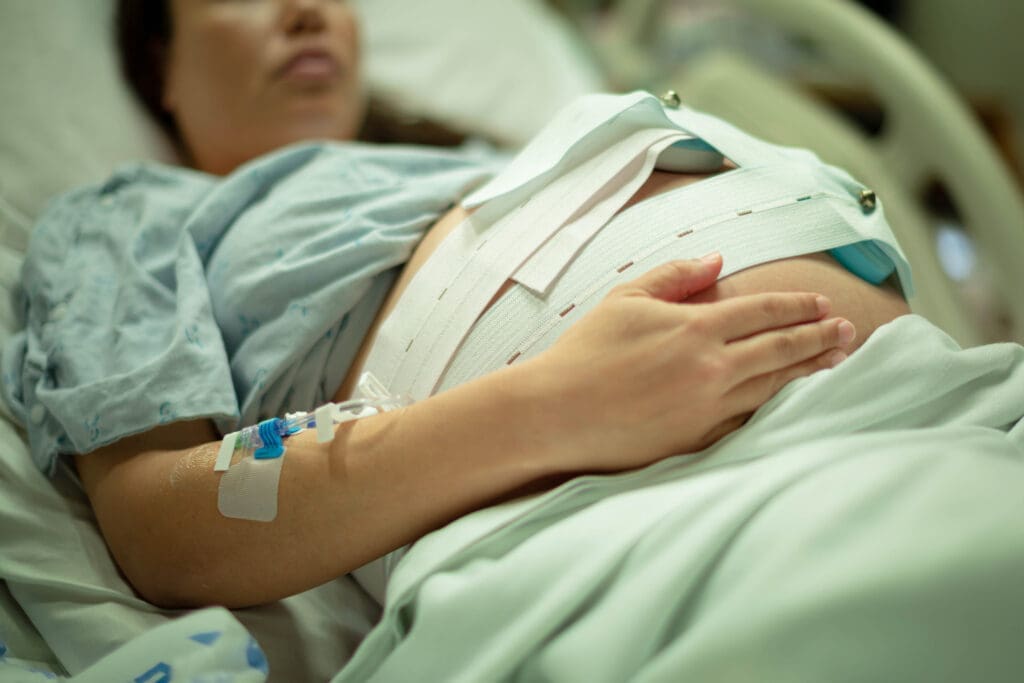
Maternal fever during labor is a significant clinical condition associated with negative outcomes for both mothers and newborns. It can be caused by both infectious and non-infectious factors. This cross-sectional study looked at the prevalence and predictors of maternal fever by analyzing 90,604 birth records from five southern New Jersey counties between 2020 and 2024. These records were obtained from the Vital Events Registration and Information (VERI) system. We used multilevel logistic regression models to assess the association between maternal fever and various obstetric and infectious risk factors, while considering clustering across different birthing facilities.
Maternal fever occurred in 1.24% of deliveries and was most strongly associated with infection-related conditions, particularly chorioamnionitis and intrapartum infection. Several obstetric factors were also independently associated with increased odds of maternal fever, including epidural use, nulliparity and premature rupture of membranes. Race-stratified analyses showed that epidural use, nulliparity and chorioamnionitis were consistent predictors across racial and ethnic groups, although the strength of association varied. Epidural use showed the strongest association among Asian women, while nulliparity was most strongly associated with maternal fever among Hispanic women. Induction of labor, premature rupture of membranes and intrapartum infection were also associated with higher odds in specific racial and ethnic subgroups. In addition, Hispanic, Asian and non-Hispanic Black women had higher odds of maternal fever compared with non-Hispanic White women. Infants born to mothers with maternal fever had lower mean Apgar scores at both 1 and 5 minutes. Overall, these findings indicate that maternal fever during labor is primarily driven by infectious and obstetric factors and support the need for continued monitoring and management of infection risk during labor and delivery to improve maternal and neonatal outcomes.
Click here to view the entire article.